
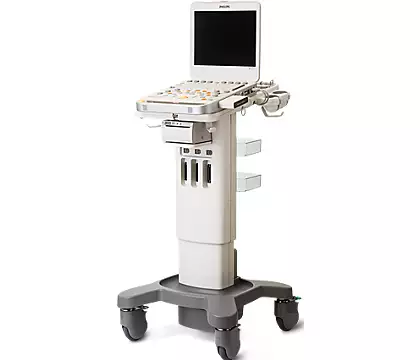
Introduction to the Philips CX50 Ultrasound System
The Philips CX50 is a portable ultrasound system designed for critical care and point-of-care applications, offering advanced imaging capabilities in demanding clinical environments. As a compact and lightweight device, it enables healthcare professionals to perform real-time diagnostics at the bedside, in emergency departments, or during transport. The Philips CX50 excels in cardiovascular, abdominal, and musculoskeletal imaging, combining high-resolution visualization with user-friendly controls. However, one of the most common questions from users is: Where can I buy probes for Philips CX50?
The system’s performance heavily relies on its probe compatibility. The Philips CX50 supports a range of transducers, including sector, convex, linear, and phased array probes, each optimized for specific diagnostic tasks. For instance, the X7-2t transducer delivers high-frequency cardiac imaging, while the C5-1 provides deep abdominal penetration. Ensuring the right probe selection is critical for achieving accurate diagnoses and maximizing the device’s utility.
If you’re searching for Philips CX50 probe compatibility information or replacement options, this guide will walk you through official distributors, authorized resellers, and online marketplaces. We’ll also explore factors like warranty coverage, pricing, and technical support to help you make informed purchasing decisions. Whether you’re upgrading your equipment or replacing a damaged probe, understanding the ecosystem of Philips CX50 accessories is essential for maintaining operational efficiency in clinical settings.
Key Features of Philips CX50 Probes You Need to Know
The Philips CX50 ultrasound system relies on its advanced probe technology to deliver high-performance imaging across diverse clinical scenarios. Designed for portability without compromising diagnostic precision, the Philips CX50 supports a modular probe ecosystem that adapts to cardiovascular, abdominal, and superficial tissue assessments. Whether you’re performing emergency triage or targeted exams, understanding the unique capabilities of these probes is critical for optimizing workflow and image quality.
One standout feature of Philips CX50 probe compatibility is its multi-modality support. The system accepts sector, convex, linear, and phased array transducers, each engineered for specific anatomical applications. For example, the S5-1 matrix array transducer provides ultra-high-resolution cardiac imaging with 3D/4D capabilities, while the C5-1 convex probe offers deep abdominal penetration for trauma assessments. Meanwhile, the L12-3 linear probe excels in vascular and musculoskeletal exams, delivering crisp superficial imaging with minimal noise. This versatility ensures clinicians can tailor the Philips CX50 to their specialty without sacrificing diagnostic confidence.
Another key advantage is the integration of Smart Probe Recognition (SPR) technology. When a probe is connected to the Philips CX50, the system automatically identifies its type and applies optimized imaging presets. This reduces manual adjustments, minimizes user error, and accelerates exam times—a critical benefit in high-pressure environments like emergency rooms or ICU settings. Additionally, the probes feature thermal management systems that prevent overheating during prolonged use, enhancing patient safety and extending equipment lifespan.
Finally, the ergonomic design of Philips CX50 transducers deserves mention. Lightweight and ergonomically contoured, these probes reduce operator fatigue during extended scanning sessions. The cable strain relief system further enhances durability, minimizing damage from frequent handling. When paired with the Philips CX50’s intuitive touchscreen interface, these features create a seamless user experience that prioritizes both clinician comfort and patient outcomes.
Philips CX50 Probe Maintenance: Extending Equipment Lifespan
The Philips CX50 is a high-performance portable ultrasound system widely used in cardiology and critical care settings. To maximize its longevity and ensure consistent diagnostic accuracy, proper probe maintenance is essential. Probes are the most fragile and expensive components of ultrasound devices, and neglecting their care can lead to costly repairs, downtime, and compromised patient outcomes. This article outlines actionable strategies to maintain your Philips CX50 probes, safeguarding both equipment lifespan and imaging quality.
-
Daily Cleaning and Disinfection
Regular cleaning is the cornerstone of probe maintenance. After each use, wipe the Philips CX50 probe with a soft, lint-free cloth to remove gel residue and contaminants. Use hospital-grade disinfectants compatible with the probe’s materials (e.g., non-corrosive, alcohol-free solutions) to prevent degradation of the probe’s housing or cables. Avoid submerging the probe in liquid, as this can damage internal circuitry. Always follow Philips’ guidelines for cleaning to avoid voiding warranties.
-
Inspect for Physical Damage
Routine inspections help identify early signs of wear, such as cracks in the probe housing, frayed cables, or loose connectors. Even minor damage can escalate into major issues, like electrical shorts or image artifacts. If abnormalities are detected, cease use immediately and contact an authorized service provider for repairs. Proactive checks ensure the Philips CX50 remains operational and reduces unexpected failures.
-
Optimize Storage Conditions
Probes should be stored in a controlled environment to prevent temperature or humidity-related damage. Keep the Philips CX50 probe in its designated protective case when not in use, and avoid bending cables at sharp angles. Excessive twisting or coiling can strain internal wires, leading to signal loss or mechanical failure. Store probes in a dry, shaded area away from direct sunlight or heat sources.
-
Avoid Mechanical Stress During Use
Operator technique plays a critical role in probe longevity. Apply gentle pressure during scans to prevent crystal damage, which can degrade image quality. Never drop or mishandle the Philips CX50 probe, as impact shocks can compromise sensitive internal components. Train staff on proper handling protocols to minimize accidental damage.
-
Schedule Professional Maintenance
While routine cleaning and inspections are vital, annual servicing by certified technicians is non-negotiable. Professionals can perform deep diagnostics, recalibrate components, and replace worn parts before they fail. For the Philips CX50, this ensures optimal performance and compliance with regulatory standards.
Conclusion
Investing time in Philips CX50 probe maintenance not only extends equipment lifespan but also safeguards diagnostic reliability. By integrating these practices into daily workflows, healthcare facilities can reduce repair costs, minimize downtime, and enhance patient care. Prioritize preventive care today to keep your Philips CX50 operating at peak efficiency for years to come.
