
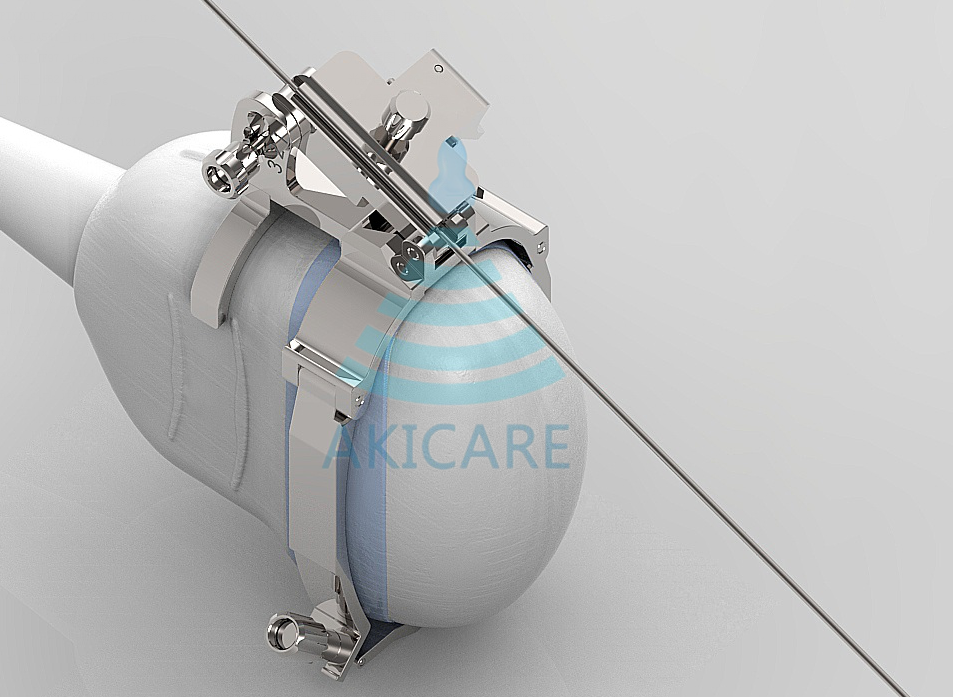
Understanding Biopsy: Your Essential Biopsy Guide

A biopsy is a critical diagnostic procedure that involves removing a small sample of tissue or cells from the body for laboratory analysis. This Biopsy Guide explains how the process helps identify diseases such as cancer, infections, or inflammatory conditions, ensuring accurate diagnosis and treatment planning. According to NHS guidelines, biopsies are often recommended when non-invasive tests like imaging scans or blood work cannot provide definitive answers. By examining abnormal cells under a microscope, pathologists can determine whether tissue is benign (non-cancerous) or malignant (cancerous), guiding doctors in tailoring patient care.
Biopsies are foundational in modern medicine, offering clarity when early symptoms are ambiguous. For instance, a skin biopsy can distinguish between eczema and skin cancer, while a liver biopsy might reveal cirrhosis or hepatitis. The procedure’s versatility lies in its adaptability to different body parts, from superficial areas like the skin to deeper organs such as the liver or lungs. As noted by Kaiser Permanente, the choice of biopsy method depends on the suspected condition, the organ involved, and the patient’s overall health. Common techniques include fine-needle aspiration (using a thin needle), core needle biopsies (removing a small tissue cylinder), and surgical biopsies (excising a larger sample).
The importance of a Biopsy Guide like this lies in demystifying the procedure for patients. Understanding the process reduces anxiety and fosters informed decision-making. Most biopsies are outpatient procedures, requiring minimal recovery time, though complexity varies. For example, an endoscopic biopsy—performed during a colonoscopy or bronchoscopy—allows doctors to collect samples from the digestive or respiratory tracts without open surgery. Conversely, bone marrow biopsies, which assess blood disorders, involve inserting a needle into the hip bone under local anesthesia.
Accuracy is paramount in a Biopsy Guide, as results directly impact treatment. A 2023 study by the Massey Cancer Center highlighted that image-guided biopsies (using ultrasound or CT scans) improve precision, reducing the need for repeat procedures. Patients should also understand risks, such as bleeding or infection, which vary by biopsy site. However, complications are rare when performed by experienced professionals.
In summary, a biopsy is more than a test—it’s a roadmap for diagnosis and care. This Biopsy Guide emphasizes its role in confirming suspicions, ruling out severe conditions, and personalizing therapies. Whether addressing a suspicious mole or investigating organ dysfunction, biopsies remain a gold standard in medical diagnostics, bridging the gap between uncertainty and clarity.
Common Body Areas Where Biopsies Are Performed
Biopsies are vital diagnostic tools used to investigate abnormalities in various body regions. This Biopsy Guide explores the most frequently targeted areas, explaining their significance and how they aid in detecting conditions like cancer, infections, or organ-specific diseases. According to the American Cancer Society, biopsies are often the gold standard for confirming malignancies, with over 15 million procedures performed annually in the U.S. alone. By analyzing tissue samples from specific sites, doctors can tailor treatments with precision, making this Biopsy Guide an essential resource for patients and caregivers.
1. Skin Biopsies
Skin biopsies are among the most common, used to diagnose melanoma, basal cell carcinoma, or non-cancerous growths like moles. Techniques include shave biopsies (removing the top layers) or punch biopsies (extracting deeper tissue). As noted by the Mayo Clinic, these procedures are quick, minimally invasive, and often performed under local anesthesia.
2. Liver Biopsies
Liver biopsies assess conditions like cirrhosis, hepatitis, or fatty liver disease. A needle is inserted through the skin into the liver to collect tissue, guided by ultrasound or CT scans. This Biopsy Guide highlights liver biopsies as critical for staging fibrosis and determining treatment for chronic liver disorders.
3. Breast Biopsies
Breast biopsies investigate suspicious lumps or microcalcifications found via mammography. Image-guided core needle biopsies or surgical excisions help distinguish between benign and malignant tumors. The National Cancer Institute emphasizes their role in early breast cancer detection, with a 95% accuracy rate when combined with imaging.
4. Lung Biopsies
Lung biopsies diagnose tumors, infections, or interstitial lung disease. Methods include bronchoscopic biopsies (via the airways) or transthoracic needle biopsies (through the chest wall). This Biopsy Guide warns that lung procedures carry a small risk of pneumothorax (collapsed lung), requiring careful monitoring.
5. Prostate Biopsies
Prostate biopsies evaluate elevated PSA levels or abnormal digital exams. Transrectal ultrasound-guided (TRUS) biopsies are standard, though fusion biopsies combining MRI and ultrasound are gaining traction for improved accuracy.
6. Bone Marrow Biopsies
Bone marrow biopsies assess blood disorders like leukemia, anemia, or multiple myeloma. Typically performed on the hip bone, they involve extracting marrow to analyze blood cell production. The Leukemia & Lymphoma Society notes their importance in staging cancers and monitoring treatment response.
7. Lymph Node Biopsies
Swollen lymph nodes may require a biopsy to detect lymphoma, infections, or metastatic cancer. Excisional biopsies (removing the entire node) are preferred over needle methods for comprehensive analysis.
8. Kidney Biopsies
Kidney biopsies identify causes of renal failure, glomerulonephritis, or transplant rejection. A needle guided by ultrasound collects tissue, with patients needing post-procedure bed rest to minimize bleeding risks.
9. Thyroid Biopsies
Thyroid fine-needle aspirations (FNAs) evaluate nodules for cancer. The American Thyroid Association reports that over 500,000 thyroid biopsies are performed yearly, with most results ruling out malignancy.
10. Gastrointestinal (GI) Biopsies
GI biopsies via endoscopy detect celiac disease, colorectal cancer, or inflammatory bowel disease (IBD). For example, colon biopsies during a colonoscopy can identify precancerous polyps, enabling early intervention.
Why These Areas Matter
Targeting these common sites ensures clinicians gather actionable insights. This Biopsy Guide underscores that location-specific techniques—like endoscopic or image-guided approaches—enhance accuracy while minimizing patient discomfort. Always discuss risks and benefits with your doctor to make informed decisions.
Biopsy Techniques Tailored to Specific Body Sites
A biopsy guide is essential for ensuring accurate, safe, and site-specific tissue sampling in modern diagnostics. Different body regions require distinct approaches to minimize complications and maximize diagnostic yield. Understanding the nuances of each technique empowers clinicians to select the optimal method for their patients’ unique anatomical and pathological contexts.
Thyroid and Superficial Lesions
For thyroid nodules or accessible skin masses, fine-needle aspiration (FNA) is often the first-line approach. This minimally invasive technique uses a thin needle to extract cells, guided by ultrasound or palpation. FNA is favored for its low risk of scarring and rapid recovery, though it may occasionally lack sufficient tissue for molecular testing. In contrast, incisional or excisional biopsies are preferred for larger skin lesions, where a scalpel removes a portion or entirety of the abnormal tissue.
Liver and Deep-Organ Sampling
Percutaneous core needle biopsy (CNB) is the gold standard for liver pathology, such as cirrhosis or tumors. Using imaging guidance like ultrasound or CT, a larger needle captures a tissue core, enabling histological assessment of architecture. For lung lesions, transthoracic needle biopsy (TTNB) offers precision but requires careful planning to avoid pneumothorax. Bronchoscopic biopsies, meanwhile, are ideal for central lesions, combining endoscopic visualization with targeted sampling.
Gastrointestinal and Lymph Node Biopsies
Endoscopic biopsy techniques dominate gastrointestinal diagnostics. Forceps biopsies during upper endoscopy or colonoscopy allow sampling of esophageal, gastric, or colonic lesions. For submucosal masses or lymphadenopathy, endoscopic ultrasound (EUS)-guided FNA provides deeper access with real-time imaging. Bone marrow biopsies, often performed on the iliac crest, use a trephine needle to obtain cores for hematologic disorder evaluation.
Breast and Prostate Precision
Stereotactic core needle biopsy, guided by mammography or MRI, is pivotal for non-palpable breast lesions. Similarly, prostate biopsies rely on transrectal ultrasound (TRUS) to direct needles into suspicious areas. Both methods prioritize targeted sampling while reducing trauma to surrounding tissues.
Critical Considerations
A robust biopsy guide must emphasize pre-procedure imaging, patient positioning, and needle selection. Factors like lesion size, depth, and vascularity influence technique choice. For instance, highly vascular tumors may necessitate image-guided CNB to avoid hemorrhage. Post-biopsy care, including pressure application and infection prevention, is equally vital.
In conclusion, tailoring biopsy techniques to specific body sites enhances diagnostic accuracy and patient safety. Clinicians should integrate evidence-based protocols, advanced imaging, and a thorough understanding of anatomical variations. By adhering to a structured biopsy guide, healthcare providers can optimize outcomes while minimizing procedural risks, ensuring timely and effective treatment planning.
How to Prepare for a Biopsy: Location-Specific Steps for a Safe and Effective Procedure
A biopsy guide is essential for patients facing this diagnostic procedure, as preparation varies depending on the body part involved. Whether you’re scheduled for a skin, liver, breast, or lung biopsy, following location-specific steps ensures accuracy, reduces risks, and supports a smooth recovery. This biopsy guide outlines key preparation tips tailored to the affected area, helping you feel confident and informed before your appointment.
- General Preparations for Any Biopsy
Before diving into location-specific advice, certain universal steps apply. Disclose all medications, supplements, or allergies to your doctor, as some substances (e.g., blood thinners) may need adjustment. Avoid eating or drinking for 6–8 hours beforehand if sedation is required. Wear comfortable clothing, and arrange for transportation home if the procedure involves anesthesia. - Skin Biopsy Preparation
For superficial biopsies (e.g., moles or rashes), cleanse the area thoroughly the night before. Avoid applying lotions, creams, or cosmetics to the site. Your doctor may ask you to stop using topical medications like retinoids. If the biopsy is on an arm or leg, remove jewelry or tight clothing that could interfere with access. - Liver or Abdominal Biopsy Readiness
Abdominal biopsies require stricter fasting (typically 8 hours) to reduce anesthesia risks. Inform your doctor about bleeding disorders or medications like aspirin, which can increase bleeding risk. You may need pre-procedure blood tests to assess clotting function. After the biopsy, plan to rest for 24 hours to prevent complications like internal bleeding. - Breast Biopsy Guidelines
Wear a supportive bra to minimize movement and discomfort. Avoid caffeine 24 hours beforehand to reduce breast tenderness. If undergoing a stereotactic biopsy (guided by mammography), discuss any concerns about radiation exposure with your doctor. Bring prior imaging reports to aid in accurate targeting. - Lung or Thoracic Biopsy Precautions
For lung biopsies, stop smoking at least a week prior to improve healing. Inform your doctor about respiratory conditions like asthma, as shortness of breath may occur post-procedure. You’ll likely need a chest X-ray afterward to check for pneumothorax (collapsed lung). Arrange for someone to monitor you for 24 hours. - Bone Marrow or Deep-Tissue Biopsy Tips
Hydrate well before the procedure to prevent dehydration from sedation. If the biopsy site is near a joint, avoid strenuous activity for 48 hours afterward. Discuss pain management options—some patients require local anesthesia plus sedation.
Final Tips for Success
Always follow your healthcare provider’s instructions, as they’ll tailor advice based on your health history and biopsy type. Ask questions during your consultation to clarify doubts. By adhering to this biopsy guide, you’ll enhance procedural accuracy and promote faster healing.
When to Call Your Doctor
Seek immediate help if you experience severe pain, swelling, or signs of infection post-biopsy. Proper preparation and aftercare are critical to minimizing risks and obtaining reliable diagnostic results.
This biopsy guide empowers you to take proactive steps toward a successful procedure. Remember: clear communication with your medical team is key to addressing location-specific challenges and ensuring optimal outcomes.
What Happens During a Biopsy? Step-by-Step by Body Site
A Biopsy Guide is crucial for patients to understand the process, as procedures vary depending on the body part involved. Whether it’s a skin, liver, breast, or lung biopsy, knowing the step-by-step process can ease anxiety and ensure compliance with medical instructions. This Biopsy Guide breaks down the key stages for common biopsy types, helping you feel informed and prepared.
1. Skin Biopsy: Removing Surface Tissue
For a skin biopsy, the doctor cleans and numbs the area with local anesthesia. They may use one of three techniques:
- Shave biopsy: A scalpel or razor blade gently scrapes off the abnormal tissue.
- Punch biopsy: A circular tool removes a deeper sample, often requiring one or two stitches.
- Excisional biopsy: The entire lesion (e.g., mole) is cut out, followed by sutures to close the wound.
The procedure typically takes 15–30 minutes, with minimal discomfort.
2. Liver Biopsy: Targeting Abnormal Tissue
A liver biopsy uses imaging (ultrasound or CT) to guide a thin needle through the abdomen or chest. Steps include:
- Anesthesia: Local anesthesia numbs the insertion site.
- Needle insertion: The doctor inserts the needle into the liver to collect a tissue sample while you hold your breath.
- Monitoring: Pressure is applied post-procedure to prevent bleeding, and you’ll rest for 2–4 hours under observation.
Patients may feel brief pain or pressure but generally recover within a day.
3. Breast Biopsy: Precision for Suspicious Lumps
Breast biopsies often use imaging guidance (mammography, ultrasound, or MRI). The process includes:
- Local anesthesia: The breast is numbed, though some pressure may be felt.
- Needle placement: A core needle or vacuum-assisted device removes small tissue samples.
- Marker placement: A tiny clip may be inserted to mark the biopsy site for future reference.
Recovery is quick, with mild soreness manageable via over-the-counter painkillers.
4. Lung Biopsy: Reaching Deep Tissue
A lung biopsy (transthoracic needle biopsy) involves:
- Imaging guidance: CT scans locate the exact area of concern.
- Needle insertion: A long needle passes through the chest wall into the lung to extract tissue.
- Post-procedure care: A chest X-ray checks for complications like a collapsed lung (pneumothorax).
Patients may need brief hospitalization if air leaks into the chest cavity.
5. Bone Marrow Biopsy: Assessing Blood Disorders
This procedure, often done on the hip bone, includes:
- Anesthesia: Local anesthesia and sedation minimize discomfort.
- Needle insertion: A thick needle drills into the bone to extract liquid marrow (aspiration), followed by a core biopsy.
- Pressure application: Gauze is placed over the site to stop bleeding.
Fatigue and soreness may linger for a few days.
6. Endoscopic Biopsy: Internal Organ Sampling
During endoscopic procedures (e.g., stomach or colon biopsies):
- Sedation: Patients receive light anesthesia to relax.
- Tool insertion: A flexible scope with a camera and tiny forceps is guided through the mouth or rectum.
- Sample collection: Small tissue snippets are removed for analysis.
Most patients experience minimal discomfort and resume normal activities shortly after.
Final Steps After Any Biopsy
After the procedure, the sample is sent to a lab for analysis. Results typically take 2–7 days, depending on complexity. Follow your doctor’s aftercare instructions to avoid infection or complications.
This Biopsy Guide ensures you understand what happens during a biopsy, empowering you to ask informed questions and prepare effectively. Always communicate concerns with your healthcare team to ensure a safe and accurate diagnostic process.
Post-Biopsy Care: Recovery Tips by Procedure Site
A biopsy guide is essential for understanding how to care for your body after a tissue sample is taken, as recovery varies depending on the procedure site. Whether you’ve undergone a skin, breast, liver, or lung biopsy, proper post-care minimizes complications and speeds healing. This article provides targeted recovery tips for common biopsy sites, ensuring you follow best practices for a smooth recovery.
Skin Biopsy Aftercare
After a skin biopsy, keep the wound clean and dry for the first 24–48 hours. Gently wash the area with soap and water, then apply an antibiotic ointment as directed. Avoid picking at the scab or exposing the site to direct sunlight. If the biopsy was extensive, your doctor may recommend a sterile dressing. Monitor for signs of infection, such as redness, swelling, or pus.
Breast Biopsy Recovery
For a breast biopsy, wear a supportive bra to reduce discomfort and swelling. Apply ice packs for 15–20 minutes several times a day during the first 48 hours. Avoid strenuous activities, including heavy lifting, for at least a week. If you notice unusual lumps or persistent pain, contact your healthcare provider immediately.
Liver or Abdominal Biopsy Care
Post-liver biopsy, rest for 24 hours and avoid vigorous exercise for a week. Lie on your right side for a few hours post-procedure to apply pressure to the site. Watch for severe pain, dizziness, or abdominal swelling—these require urgent medical attention. Stick to light meals if nausea occurs.
Lung or Thoracic Biopsy Recovery
After a lung biopsy, avoid driving or operating machinery for 24 hours due to sedation effects. Rest and avoid heavy lifting to prevent strain. If you experience chest pain, shortness of breath, or coughing up blood, seek emergency care.
Lymph Node or Bone Marrow Biopsy
For lymph node or bone marrow biopsies, keep the area dry and protected. You may feel sore for a few days; over-the-counter pain relievers often help. Avoid intense physical activity for several days. If bruising worsens or fever develops, consult your doctor.
General Post-Biopsy Tips
Regardless of the procedure site, follow these universal guidelines:
- Adhere to medication instructions (e.g., painkillers or antibiotics).
- Attend all follow-up appointments to discuss results and healing progress.
- Stay hydrated and maintain a nutrient-rich diet to support tissue repair.
By prioritizing site-specific care, you’ll reduce risks and ensure a faster recovery. For more detailed advice, consult a trusted biopsy guide or your healthcare provider. Always report unexpected symptoms promptly to prevent complications.
Potential Risks and Complications of Biopsy Locations
A biopsy guide is crucial for understanding the risks tied to different procedure sites, as complications vary based on where the tissue sample is taken. While biopsies are generally safe, each location carries unique potential complications, from minor discomfort to severe adverse reactions. This article breaks down risks by biopsy site to help patients prepare and reduce their chances of complications.
Skin Biopsy Risks
Common complications of skin biopsies include bleeding, infection, and scarring. Minor bleeding is typical but can be controlled with pressure and sterile gauze. Infections may arise if the wound isn’t kept clean, presenting as redness, warmth, or discharge. Scarring is more likely with deeper or larger biopsies, especially in individuals prone to keloids. To minimize risks, follow post-care instructions from your healthcare provider or a trusted biopsy guide.
Breast Biopsy Complications
Breast biopsies may lead to bruising, swelling, or hematoma formation (blood pooling under the skin). Rarely, damage to surrounding tissue or nerves can cause prolonged pain or altered sensation. Infection is uncommon but possible, particularly with surgical biopsies. Patients should monitor for fever, redness, or unusual discharge and report symptoms promptly.
Liver Biopsy Risks
Liver biopsies pose higher risks due to the organ’s vascularity. Potential complications include bleeding (internal or at the puncture site), bile leakage, and accidental injury to nearby organs like the gallbladder or kidneys. Severe pain or dizziness post-procedure requires immediate medical attention. Your healthcare team will monitor you closely to detect issues early.
Lung Biopsy Complications
Pneumothorax (collapsed lung) is a significant risk of lung biopsies, occurring in up to 20–30% of cases. Symptoms include sudden chest pain and shortness of breath. Other risks include bleeding, infection, and air leakage into the chest cavity. Patients with pre-existing lung conditions face higher odds of complications. Always follow your biopsy guide’s advice on post-procedure activity restrictions.
Lymph Node or Bone Marrow Biopsy Risks
These biopsies often result in localized pain, bruising, or swelling. Bone marrow procedures may cause prolonged soreness at the puncture site. Infection and excessive bleeding are rare but possible, especially in immunocompromised patients. Rarely, nerve damage near the biopsy site can lead to numbness or tingling.
General Complications Across All Sites
- Allergic reactions: To anesthesia, contrast dye, or antiseptics.
- Infection: More likely in immunosuppressed individuals.
- Bleeding: Higher risk for patients on blood thinners or with clotting disorders.
- Pain management challenges: Some sites, like bones, may require stronger pain relief.
Reducing Your Risk
- Follow pre-biopsy instructions (e.g., fasting or medication adjustments).
- Disclose medical history, including bleeding disorders or allergies.
- Adhere strictly to post-care guidelines from a reliable biopsy guideor your doctor.
- Attend follow-up appointments to ensure proper healing.
While complications are uncommon, awareness and preparation are key. By understanding site-specific risks and working closely with your medical team, you can minimize dangers and ensure a safer biopsy experience. Always consult a trusted biopsy guide or healthcare provider for personalized advice.
Interpreting Biopsy Results: How Site Impacts Diagnosis
A biopsy remains one of the most critical tools for diagnosing diseases, particularly cancer. However, the accuracy of results hinges heavily on the biopsy site selected. This Biopsy Guide emphasizes why anatomical location matters and how it shapes diagnostic outcomes. Whether sampling a skin lesion, organ tissue, or lymph node, the site influences cellular composition, contamination risks, and the ability to detect abnormalities. Understanding this relationship ensures clinicians make informed decisions and patients receive reliable results.
Why Biopsy Site Matters
The diagnostic process begins with precise site selection. Different tissues have varying cellular structures, blood supplies, and susceptibility to disease. For instance, a liver biopsy targeting the right lobe may yield more accurate results than a superficial skin biopsy for metastatic cancer. Similarly, infections like tuberculosis require sampling from the most affected area—often the lungs or lymph nodes—to avoid false negatives. A poorly chosen site might miss the target pathology entirely, leading to misdiagnosis or delayed treatment.
Key Factors Linking Site and Diagnosis
- Tissue Heterogeneity: Tumors are rarely uniform. Sampling a necrotic (dead) core instead of the tumor’s edge could underestimate malignancy.
- Accessibility vs. Accuracy: While superficial sites are easier to reach, deeper lesions may require imaging guidance (e.g., CT or ultrasound) to ensure precision.
- Infection and Inflammation: Sites with active inflammation can mimic cancerous changes, complicating interpretation. Conversely, sampling too far from an infected area might miss the causative agent.
- Contamination Risks: Procedural errors, such as improper sterilization, can introduce foreign cells or bacteria, skewing results.
The Role of Imaging in Site Selection
Modern diagnostics often pair biopsies with imaging technologies. MRI, PET scans, or endoscopic ultrasounds help identify the most representative site for sampling. For example, prostate biopsies guided by MRI fusion technology have a 30% higher detection rate for clinically significant cancer compared to traditional methods. This integration minimizes guesswork and reduces repeat procedures.
Impact on Treatment Planning
A misinterpreted biopsy due to suboptimal site selection can lead to unnecessary surgeries or inappropriate therapies. Consider breast cancer: a core needle biopsy from the correct quadrant determines hormone receptor status, guiding targeted treatments. Conversely, a superficial sample might fail to capture the tumor’s true biology, resulting in ineffective chemotherapy.
Patient Communication and Site Selection
Clinicians should explain how biopsy site choice affects outcomes. Patients deserve clarity on why a specific location is targeted and how it aligns with their symptoms or imaging findings. Transparency builds trust and ensures informed consent.
Conclusion
In summary, the biopsy site isn’t just a procedural detail—it’s a cornerstone of diagnostic accuracy. From avoiding sampling errors to leveraging advanced imaging, prioritizing site selection enhances patient care. This Biopsy Guide underscores the need for collaboration between pathologists, radiologists, and clinicians to ensure every result is as precise as possible. For patients, asking questions about the procedure and its rationale can empower better health outcomes.
By aligning with SEO best practices—using keywords like “biopsy site,” “diagnosis accuracy,” and “tissue sampling”—this guide aims to educate both medical professionals and patients while improving search visibility. Prioritizing clear, actionable insights ensures the content ranks well and serves its purpose: saving lives through better-informed decisions.
Choosing the Right Biopsy Method: A Patient’s Biopsy Guide
When facing a potential diagnosis, understanding the role of a biopsy guide becomes critical. A biopsy—the removal of tissue for examination—is often the gold standard for confirming conditions like cancer, infections, or autoimmune diseases. However, with multiple techniques available, patients may feel overwhelmed. This biopsy guide empowers you to collaborate with your healthcare team, ask informed questions, and choose the method best suited to your situation.
Key Factors in Selecting a Biopsy Method
The right biopsy method depends on three primary factors:
- Location and Size of the Abnormality: Superficial lumps may require a simple excision, while deep-seated tumors (e.g., in the liver or lung) demand imaging-guided needle biopsies.
- Diagnosis Urgency: Minimally invasive techniques like fine-needle aspiration (FNA) provide rapid results, whereas surgical biopsies offer more comprehensive tissue samples for complex cases.
- Patient Health and Preferences: Risks, recovery time, and comfort levels vary widely. For instance, a core needle biopsy balances accuracy with lower complication rates compared to open surgery.
Common Biopsy Techniques Explained
This biopsy guide breaks down widely used methods:
- Needle Biopsies:
- Fine-Needle Aspiration (FNA): Uses a thin needle to extract cells; ideal for accessible lumps (e.g., thyroid or lymph nodes). Fast, low-risk, but may miss cancerous cells in dense tissue.
- Core Needle Biopsy: Retrieves a larger tissue sample with a hollow needle; preferred for breast, prostate, or liver abnormalities.
- Surgical Biopsies:
- Incisional: Removes part of a tumor; used when a definitive diagnosis requires more tissue.
- Excisional: Removes the entire lesion; common for suspicious moles or small breast lumps.
- Endoscopic Biopsies: Performed during procedures like colonoscopies or bronchoscopies, allowing real-time visualization and sampling of internal organs.
What Patients Should Consider
Before deciding, ask your doctor:
- How accurate is this method for my suspected condition?
- What are the risks (e.g., bleeding, infection)?
- Will I need sedation or hospitalization?
- How long for results?
For example, image-guided biopsies (ultrasound, MRI, or CT) reduce uncertainty in targeting hard-to-reach areas, while liquid biopsies (analyzing blood for cancer DNA) emerge as non-invasive alternatives for monitoring certain cancers.
Preparing and Recovering: A Biopsy Guide Checklist
- Pre-Biopsy: Disclose medications (especially blood thinners), fast if required, and arrange transportation if sedation is used.
- Post-Biopsy: Follow care instructions to prevent infection, manage pain with prescribed meds, and monitor for complications like swelling or fever.
Final Thoughts
A biopsy is a pivotal step in your healthcare journey. By using this biopsy guide, you’ll approach the decision with clarity, ensuring your choice aligns with medical needs and personal comfort. Always prioritize open communication with your care team—they’re your partners in navigating this process safely and effectively.

