
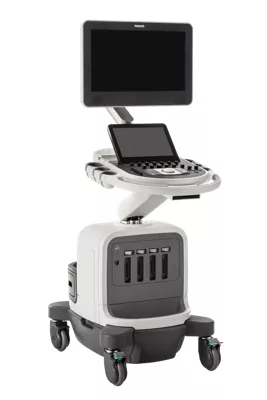
1,Understanding the Philips Affiniti 70 Ultrasound System
The Philips Affiniti 70 is a high-performance ultrasound system designed to meet the demands of modern diagnostic imaging across multiple clinical specialties. As a mid-tier solution in Philips’ Affiniti series, this device combines advanced imaging technologies, user-friendly workflows, and portability to support healthcare professionals in cardiology, radiology, obstetrics, and more. Whether you’re operating in a hospital, private clinic, or mobile diagnostic unit, the Philips Affiniti 70 delivers consistent, high-resolution images through its intelligent software algorithms and customizable probe options. Its intuitive touchscreen interface, compact design, and compatibility with a wide range of transducers make it a versatile tool for both routine exams and complex diagnostics.
At the core of the Philips Affiniti 70’s capabilities is its integration of PureWave and SonoCT technologies, which enhance image clarity and reduce noise for improved diagnostic confidence. The system’s nSIGHT processing engine ensures rapid data acquisition and real-time visualization, even in challenging cases such as obese patients or deep-tissue imaging. Additionally, features like AutoBC (Auto Breast Classification) and AutoCHD (Automated Congenital Heart Disease Assessment) streamline workflows by automating repetitive tasks, allowing clinicians to focus on patient care. For facilities prioritizing efficiency, the Affiniti 70 supports seamless connectivity to Picture Archiving and Communication Systems (PACS) and offers optional AI-driven tools for predictive analytics.
Clinically, the Philips Affiniti 70 excels in diverse applications:
Cardiology: High-frequency phased-array probes enable precise assessment of cardiac structures.
Obstetrics/Gynecology: Curved-array transducers provide detailed fetal imaging and Doppler flow analysis.
Musculoskeletal: Linear probes deliver high-resolution images of tendons, ligaments, and joints.
Emergency Medicine: Portable configurations allow rapid trauma assessments via abdominal or cardiac probes.
A critical factor in maximizing the Philips Affiniti 70’s performance is selecting the correct probe. Probes determine the system’s ability to capture specialized data, from vascular flow dynamics to superficial tissue anomalies. However, not all transducers are universally compatible—each probe is engineered for specific frequency ranges and clinical use cases. For instance, a cardiac probe optimized for adult patients may lack the resolution required for neonatal applications. This underscores the importance of understanding probe specifications and sourcing them from reliable suppliers.
For users of the Philips Affiniti 70, investing in genuine or certified probes ensures optimal image quality, device compatibility, and compliance with safety standards. In the following sections, we’ll explore the types of probes available for this system, where to purchase them, and key considerations for making informed decisions. Whether you’re replacing a worn transducer or expanding your facility’s diagnostic capabilities, the right probe can significantly impact both clinical outcomes and operational efficiency.
2, Key Considerations When Choosing Probes for Philips Affiniti 70
When selecting probes for the Philips Affiniti 70, a high-performance ultrasound system widely used in clinical settings, healthcare professionals must prioritize compatibility, clinical application, and technical specifications. The Affiniti 70’s versatility across specialties—from obstetrics to cardiology—demands careful probe selection to optimize imaging quality and diagnostic accuracy. Choosing the right transducer ensures not only efficient workflow but also adherence to patient safety standards, making this decision critical for medical facilities aiming to maximize their investment in this advanced platform.
-
Match Probe Types to Clinical Needs
The Philips Affiniti 70 supports a range of transducers, including convex, linear, phased array, and endocavity probes. Each probe type serves distinct diagnostic purposes:
– Convex probes are ideal for abdominal and OB/GYN imaging, offering a wide field of view.
– Linear probes excel in superficial structures like musculoskeletal or vascular applications, providing high-resolution, narrow-field images.
– Phased array probes are preferred for cardiac exams due to their ability to navigate between ribs.
Understanding the primary use case ensures the probe aligns with the facility’s diagnostic demands.
-
Evaluate Frequency and Penetration Depth
Probe frequency directly impacts image resolution and penetration depth. High-frequency linear probes (5–12 MHz) deliver crisp superficial images but lack depth, while lower-frequency convex or phased array probes (1–5 MHz) penetrate deeper tissues for abdominal or fetal imaging. For example, the Affiniti 70’s XMatrix technology in certain probes balances both, enabling clinicians to adjust settings dynamically. Facilities should assess patient demographics (e.g., pediatric vs. adult) to determine optimal frequency ranges.
-
Verify Compatibility and System Integration
While the Philips Affiniti 70 is designed for seamless integration with Philips-branded probes, third-party options may also be viable. However, ensure compatibility to avoid compromised performance or voided warranties. Check for software updates or firmware requirements that might affect probe functionality. Additionally, consider future scalability: Will the selected probes support emerging Affiniti 70 software features?
-
Prioritize Durability and Ergonomics
Frequent use in busy clinics necessitates probes built for longevity. Look for probes with robust cable insulation, autoclavable covers (for endocavity use), and ergonomic designs to reduce operator fatigue. Philips’ Elite series probes, for instance, feature enhanced durability and lighter handles, improving user comfort during extended exams.
While budget constraints are inevitable, investing in premium probes often reduces long-term costs tied to repairs or replacements. Refurbished Philips Affiniti 70 probes from certified vendors can offer cost-effective alternatives without sacrificing quality. Factor in maintenance contracts and sterilization accessories to ensure sustained performance.
In conclusion, selecting probes for the Philips Affiniti 70 requires a strategic approach centered on clinical needs, technical compatibility, and operational efficiency. By prioritizing these factors, healthcare providers can unlock the system’s full potential, ensuring precise diagnostics and improved patient outcomes. Always consult Philips’ official resources or clinical specialists to validate probe suitability for specific applications.


