
Understanding Biopsy: Definition and Its Critical Role in Diagnosis
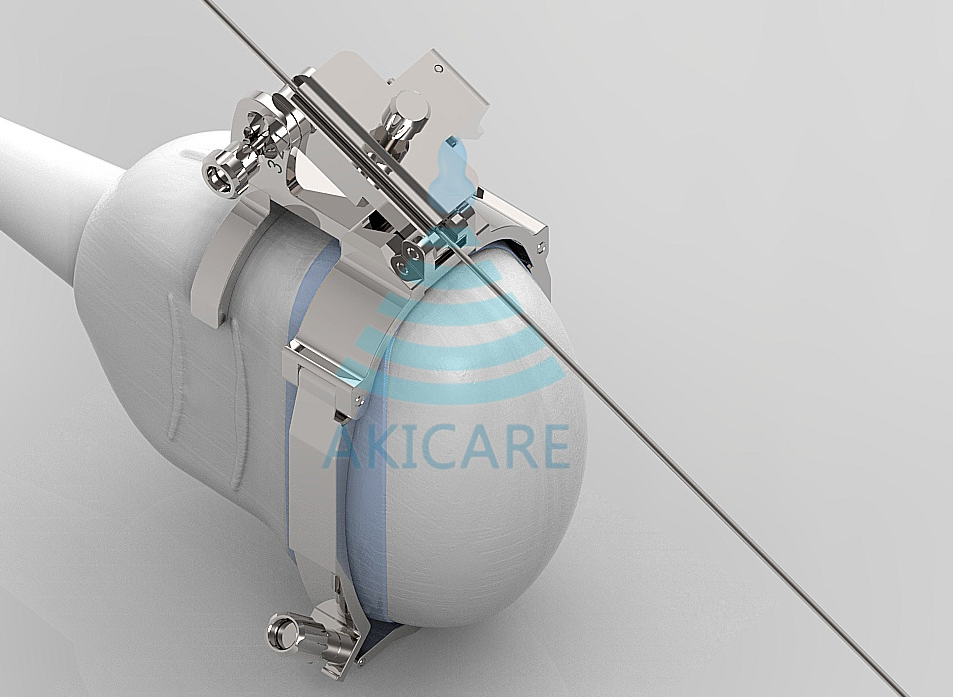
A biopsy is a medical procedure that involves the removal of tissue or cells from the body for laboratory analysis. This diagnostic tool is essential for identifying diseases such as cancer, infections, and autoimmune disorders. As outlined in the Biopsy Guide, biopsies provide definitive answers when non-invasive tests like imaging scans or blood work cannot confirm a diagnosis. By examining cellular structure under a microscope, pathologists can determine whether abnormalities are benign, malignant, or linked to other conditions. Institutions like the Cleveland Clinic and Mayo Clinic emphasize that biopsies remain the gold standard for diagnosing complex cases, offering unparalleled accuracy in distinguishing between diseases with overlapping symptoms.
The importance of a biopsy lies in its ability to guide treatment decisions. For instance, in cancer care, a biopsy not only confirms malignancy but also reveals the tumor’s grade, stage, and molecular markers—critical factors for tailoring therapies like surgery, chemotherapy, or immunotherapy. According to the Lymphoma Research Foundation, biopsies are indispensable for diagnosing lymphomas, where subtle differences in cell morphology dictate prognosis and management. Similarly, the Society of Breast Imaging highlights core needle biopsies as a pivotal step in evaluating suspicious breast masses detected via mammography or ultrasound. Without this procedure, patients might face delays in treatment or undergo unnecessary interventions.
Biopsies also play a role beyond cancer diagnosis. For example, liver biopsies help assess fibrosis in hepatitis patients, while skin biopsies aid in diagnosing autoimmune conditions like lupus. The Biopsy Guide underscores that these procedures are minimally invasive in most cases, with techniques such as fine-needle aspiration or endoscopic biopsies allowing for quick recovery. However, the decision to perform a biopsy depends on clinical context—such as abnormal imaging findings, persistent symptoms, or elevated biomarkers like prostate-specific antigen (PSA).
Despite advances in imaging and liquid biopsies (which detect circulating tumor DNA), tissue analysis remains irreplaceable. As the Mayo Clinic explains, imaging can suggest malignancy, but only a biopsy confirms it. This distinction is vital for avoiding misdiagnoses, particularly in conditions like lymphoma or sarcoma, where treatment protocols differ drastically. Furthermore, biopsies enable personalized medicine by identifying genetic mutations or protein expressions that dictate targeted therapy eligibility.
In summary, a biopsy is far more than a diagnostic formality—it is a cornerstone of modern medicine. Whether guiding cancer treatment, unraveling autoimmune mysteries, or monitoring organ health, biopsies empower clinicians to make data-driven decisions. As the Biopsy Guide illustrates, understanding this procedure demystifies its role in improving patient outcomes, ensuring that care is precise, timely, and evidence-based.
The 5 Primary Types of Biopsy Procedures: A Step-by-Step Breakdown
Biopsy procedures are indispensable tools for diagnosing diseases, offering clarity when imaging or blood tests fall short. As outlined in the Biopsy Guide, there are five primary types of biopsies, each tailored to specific diagnostic needs and anatomical sites. Understanding these procedures demystifies the process for patients and highlights their role in guiding precise treatments. Whether for cancer detection, infection identification, or tissue evaluation, these methods ensure clinicians gather actionable insights. Below is a step-by-step breakdown of the most common biopsy types, their applications, and what patients can expect.
1. Fine-Needle Aspiration Biopsy (FNAB)
This minimally invasive procedure uses a thin needle to extract cells from lumps or fluid-filled cysts, often in the thyroid, breast, or lymph nodes. As described in the Biopsy Guide, FNAB is quick, requires no incision, and is typically performed in a doctor’s office. The steps include:
- Preparation: Local anesthesia may be applied to numb the area.
- Needle Insertion: The physician inserts a fine needle into the target site, often guided by ultrasound or CT scan for accuracy.
- Sample Collection: Cells or fluid are drawn into a syringe.
- Analysis: The sample is sent to a lab for cytology testing.
FNAB is ideal for superficial masses but may sometimes yield insufficient tissue, necessitating a follow-up core needle biopsy.
2. Core Needle Biopsy
Preferred for solid tumors, this method uses a larger needle to extract a tissue core. According to the Mayo Clinic, it’s commonly used for breast, prostate, or liver biopsies. The steps include:
- Imaging Guidance: MRI, ultrasound, or mammography locates the abnormality.
- Needle Placement: A hollow needle is inserted through the skin into the lesion.
- Tissue Extraction: Multiple samples are taken to ensure diagnostic accuracy.
- Post-Procedure Care: Pressure is applied to minimize bleeding, and a bandage is placed.
Core needle biopsies offer more tissue for analysis than FNAB, improving diagnostic reliability.
3. Surgical Biopsy
When non-invasive methods are inconclusive, surgical biopsies remove part (incisional) or all (excisional) of a suspicious mass. As noted in the Biopsy Guide, this is often performed under general anesthesia. The process includes:
- Incision: The surgeon cuts into the tissue to access the lesion.
- Tissue Removal: A portion or the entire growth is extracted.
- Closure: Stitches or staples are used to close the wound.
Surgical biopsies are definitive but carry higher risks, such as infection or scarring. They’re frequently used for lymph node or deep-tissue evaluations.
4. Endoscopic Biopsy
This technique combines an endoscope (a flexible tube with a camera) and tiny tools to collect samples from internal organs like the stomach, colon, or lungs. Steps include:
- Preparation: Patients fast and may receive sedation.
- Endoscope Insertion: The device is guided through the mouth or rectum to the target area.
- Sample Collection: Forceps or brushes retrieve tissue or cells.
- Recovery: Patients typically resume normal activities within hours.
Endoscopic biopsies are vital for diagnosing gastrointestinal or respiratory conditions, including Barrett’s esophagus or lung cancer.
5. Skin Biopsy
Used to diagnose skin cancer or rashes, this procedure removes a small skin sample. The Biopsy Guide highlights three subtypes:
- Shave Biopsy: A razor shaves off the lesion’s surface.
- Punch Biopsy: A circular tool extracts deeper layers.
- Excisional Biopsy: The entire growth is cut out.
Healing time varies from days to weeks, with minimal scarring.
Conclusion
Each biopsy type serves a unique purpose, balancing invasiveness, accuracy, and patient comfort. The Biopsy Guide emphasizes that the choice depends on the suspected condition, lesion location, and clinical context. While advancements like liquid biopsies are emerging, traditional methods remain the gold standard for definitive diagnoses. Patients should discuss risks, benefits, and preparation with their healthcare provider to ensure optimal outcomes.
When Doctors Recommend a Biopsy: Common Indications
A biopsy is a critical diagnostic tool that helps doctors identify diseases, including cancer, infections, and autoimmune disorders. This Biopsy Guide explores the most common reasons physicians recommend biopsies, ensuring patients understand the purpose and importance of this procedure. If your healthcare provider suggests a biopsy, it’s typically to investigate abnormal tissue, confirm a diagnosis, or rule out serious conditions.
One of the primary indications for a biopsy is the presence of an unexplained lump or mass. Whether detected during a physical exam or imaging test (like an MRI or mammogram), abnormal growths require further analysis. A biopsy removes a small tissue sample for laboratory testing, determining if cells are cancerous, benign, or inflamed. For example, breast, thyroid, or skin biopsies are often performed to evaluate suspicious lesions.
Persistent symptoms like unexplained pain, weight loss, or fatigue may also prompt a biopsy. When standard tests fail to identify the cause, tissue analysis can reveal hidden issues such as autoimmune diseases (e.g., lupus) or chronic infections. Similarly, abnormal results from blood work or imaging scans—like elevated liver enzymes or lung nodules—often necessitate a biopsy to pinpoint the underlying problem.
Cancer diagnosis and staging are other key scenarios. If initial screenings suggest malignancy, a biopsy confirms the type and aggressiveness of cancer, guiding treatment decisions. For instance, prostate or lymph node biopsies help determine whether cancer has spread. Additionally, biopsies monitor treatment effectiveness, such as assessing how well a tumor responds to chemotherapy.
Infections resistant to standard treatments may require a biopsy to identify specific pathogens. For example, a liver or bone marrow biopsy can detect tuberculosis or fungal infections that blood tests might miss. Autoimmune conditions like celiac disease also rely on biopsies (e.g., intestinal tissue sampling) to confirm diagnoses and assess organ damage.
It’s important to note that biopsies vary in method—needle, incisional, or excisional—depending on the affected area. While the idea of a biopsy can be intimidating, it’s a safe and routine procedure that provides life-saving insights. Always discuss risks and preparation steps with your doctor to ease concerns.
In summary, a biopsy is recommended when non-invasive tests are inconclusive or when precise diagnosis is vital. This Biopsy Guide emphasizes the importance of trusting your doctor’s judgment, as early and accurate detection often leads to better health outcomes. If you’re facing a biopsy, understanding its purpose can alleviate anxiety and empower you to make informed decisions about your care.
Preparing for a Biopsy: What Patients Need to Know
A biopsy is a vital diagnostic procedure, but proper preparation ensures accuracy and minimizes risks. This Biopsy Guide outlines essential steps patients should take before undergoing a biopsy, from understanding the process to following pre-procedure instructions. Whether you’re facing a skin, liver, or breast biopsy, being informed and prepared can ease anxiety and improve outcomes.
- Understand the Purpose and Type of Biopsy
Biopsies vary in method, including needle, incisional, or excisional techniques, depending on the suspected condition and the tissue involved. Your doctor will explain why the biopsy is necessary—such as evaluating a suspicious lump, confirming cancer, or diagnosing infections. Knowing the purpose and type of biopsy helps you ask relevant questions and follow pre-procedure guidelines effectively. - Follow Pre-Procedure Instructions
Your healthcare provider will give specific instructions tailored to your biopsy type. For example:
- Fasting: Some biopsies, especially those requiring sedation or general anesthesia, require fasting for 6–8 hours beforehand.
- Medication Adjustments: Blood thinners (e.g., aspirin, warfarin) or anti-inflammatory drugs may need to be paused temporarily to reduce bleeding risks. Always consult your doctor before altering medications.
- Allergies and Medical History: Disclose any allergies, chronic conditions (e.g., diabetes), or prior adverse reactions to anesthesia.
- Undergo Pre-Biopsy Testing
Before the procedure, your doctor may order blood tests (e.g., clotting profile) or imaging scans (e.g., ultrasound, CT) to assess your health and guide the biopsy. These tests ensure the procedure is safe and targeted. - Arrange for Support and Transportation
If sedation is used, you’ll need someone to drive you home afterward. Even minor biopsies can cause temporary discomfort or drowsiness, making it unsafe to drive alone. Plan ahead to have a friend or family member assist you. - Mental and Emotional Preparation
Feeling nervous is normal. To ease stress:
- Ask Questions: Clarify doubts about the procedure’s risks, recovery time, and expected discomfort.
- Stay Informed: Use this Biopsy Guideto understand what to expect, reducing uncertainty.
- Practice Relaxation Techniques: Deep breathing or meditation can help manage pre-procedure anxiety.
- Dress Comfortably and Arrive Early
Wear loose, comfortable clothing to the appointment. Arriving early allows time for paperwork and pre-procedure preparations, such as changing into a hospital gown or applying a local anesthetic.
Post-Biopsy Considerations
After the biopsy, follow your doctor’s care instructions to promote healing and prevent complications. This may include keeping the site clean, avoiding strenuous activity, and monitoring for signs of infection (e.g., redness, fever). Results typically take a few days, after which your doctor will discuss next steps.
By following this Biopsy Guide, patients can approach the procedure confidently and responsibly. Proper preparation not only ensures the biopsy’s success but also supports faster recovery. Always communicate openly with your healthcare team to address concerns and optimize your experience.
What Happens During a Biopsy? A Procedure Timeline
A biopsy guide is essential for understanding this diagnostic procedure, which involves removing tissue or cells for laboratory analysis. Whether you’re preparing for a skin, organ, or bone marrow biopsy, knowing the timeline and steps can ease anxiety. Here’s a detailed breakdown of what typically occurs during a biopsy.
Before the Biopsy: Preparation
Your healthcare provider will explain the purpose of the biopsy and obtain informed consent. You may need to fast for 6–8 hours if general anesthesia is required, or avoid blood-thinning medications like aspirin. Imaging tests (e.g., ultrasound or CT scans) might be used to locate the target area. For needle biopsies, local anesthesia is often applied to numb the site. This pre-procedure phase usually takes 30–60 minutes.
During the Biopsy: The Procedure
The actual biopsy duration varies by type. A skin biopsy might take 15 minutes, while a surgical biopsy could last several hours. Here’s a general timeline:
- 0–15 minutes: Positioning and anesthesia.
- 15–30 minutes: Tissue extraction using a needle, scalpel, or endoscope.
- 30–45 minutes: Monitoring for immediate complications like bleeding or pain.
For image-guided biopsies, real-time scans ensure precision. You may feel pressure or a brief sharp sensation but minimal pain.
After the Biopsy: Recovery
Post-procedure care depends on the invasiveness. Minor biopsies (e.g., skin) require only a bandage, while surgical biopsies may need stitches or a hospital stay. Common aftereffects include mild soreness, bruising, or fatigue. Follow your biopsy guide for activity restrictions, such as avoiding strenuous work for 24–48 hours.
Results Timeline
Lab results typically take 2–7 days. A pathologist analyzes the sample for abnormalities, infections, or cancer cells. Your doctor will schedule a follow-up to discuss findings and next steps.
Potential Risks
While rare, complications like infection, excessive bleeding, or organ damage (for internal biopsies) can occur. Contact your provider immediately for severe pain, fever, or discharge at the site.
Understanding this timeline helps demystify the process, ensuring you’re well-prepared and informed. Always consult your healthcare team for personalized advice.
Interpreting Results: From Lab Analysis to Diagnosis
A Biopsy Guide is essential for understanding how medical professionals translate tissue samples into actionable diagnoses. Once a biopsy sample is collected, the process of analysis begins in a pathology lab, where experts examine cells and tissues under a microscope to detect abnormalities, infections, or cancerous changes. This stage is critical, as accurate interpretation determines treatment plans and patient outcomes.
The Lab Analysis Timeline
After the biopsy, samples are preserved, stained, and sliced into thin sections for detailed examination. Histopathologists—doctors specializing in tissue analysis—look for structural changes, cell irregularities, or markers of diseases like cancer. For routine cases, results may take 2–5 business days, though complex analyses (e.g., genetic testing or rare conditions) can extend this timeline to 10–14 days. Patients should discuss expected wait times with their healthcare provider to manage anxiety.
What Do the Results Mean?
Results fall into three categories:
- Benign: No cancerous cells detected.
- Malignant: Cancerous cells confirmed.
- Uncertain: Results are inconclusive, requiring further testing.
A Biopsy Guide clarifies that findings are often paired with imaging or blood tests to form a complete diagnosis. For example, a breast biopsy showing malignant cells might prompt additional scans to assess cancer staging.
Accuracy and Limitations
While biopsies are highly accurate, false positives or negatives can occur. Factors influencing accuracy include sample quality, lab expertise, and the specific condition being tested. If results conflict with symptoms, a second biopsy or alternative diagnostic method may be recommended.
Next Steps After Receiving Results
Once results are ready, doctors schedule a follow-up to explain findings and outline next steps. For benign outcomes, monitoring or lifestyle adjustments might suffice. Malignant results typically lead to referrals for oncology consultations, surgery, or therapies. Patients should ask questions and consider seeking a second opinion if uncertain about the diagnosis.
The Role of Technology in Modern Biopsy Interpretation
Advancements like digital pathology and AI-assisted analysis are revolutionizing how labs interpret biopsies. These tools enhance precision, reduce human error, and expedite results, offering patients faster and more reliable diagnoses.
When to Seek Clarification
If results are unclear or technical jargon overwhelms you, request simplified explanations from your doctor. A Biopsy Guide emphasizes the importance of understanding your diagnosis to make informed healthcare decisions.
By demystifying the lab analysis process, patients can approach their results with confidence and clarity. Always follow up with your provider to address concerns and ensure timely, appropriate care.
Potential Risks and Recovery After a Biopsy
A Biopsy Guide emphasizes that while biopsies are generally safe, understanding potential risks and recovery steps is crucial for informed decision-making. Whether it’s a skin, organ, or tissue biopsy, patients should know what to expect post-procedure to minimize complications and ensure smooth healing.
Common Risks and Complications
Most biopsies carry minimal risks, but complications can arise depending on the procedure type, location, and individual health factors. Common risks include:
- Bleeding or Bruising: Needle biopsies (e.g., liver or kidney) may cause minor bleeding at the site, while surgical biopsies have a higher risk of significant blood loss.
- Infection: Though rare, improper wound care can lead to infections, especially after surgical biopsies. Symptoms include redness, swelling, or pus.
- Pain or Discomfort: Mild soreness is typical, but severe pain may indicate nerve damage or inflammation.
- Reaction to Anesthesia: Local or general anesthesia can cause dizziness, nausea, or allergic reactions in rare cases.
- Organ Damage: Biopsies near vital organs (e.g., lung or brain) carry a small risk of puncturing surrounding structures.
Recovery Timeline and Care Tips
Recovery varies widely based on biopsy type:
- Needle Biopsies: Most patients resume normal activities within 24–48 hours. Apply ice to reduce swelling and avoid strenuous movements.
- Surgical Biopsies: Recovery may take 1–2 weeks, requiring rest, prescribed painkillers, and follow-up appointments to monitor healing.
- Endoscopic Biopsies: Typically allow same-day discharge, with dietary restrictions (e.g., avoiding heavy meals) for 1–2 days.
To support recovery:
- Keep the incision site clean and dry.
- Follow medication instructions (e.g., antibiotics to prevent infection).
- Avoid heavy lifting or vigorous exercise until cleared by your doctor.
When to Contact Your Doctor
Seek immediate medical attention if you experience:
- Excessive bleeding or drainage from the biopsy site.
- Fever over 100.4°F (38°C), signaling infection.
- Difficulty breathing (after lung biopsies) or severe abdominal pain.
Reducing Risks: Pre-Procedure Preparation
A Biopsy Guide highlights the importance of disclosing medical history, allergies, or medications (e.g., blood thinners) to your healthcare team. Pre-biopsy imaging (like ultrasound or MRI) may also lower risks by guiding precise needle placement.
Long-Term Outlook
Serious complications are rare, and most patients heal fully without lasting effects. Adhering to post-care instructions and attending follow-ups ensures timely detection of any issues.
Final Thoughts
While biopsies are critical for accurate diagnoses, understanding their risks and recovery process empowers patients to advocate for their health. Always consult your doctor for personalized advice, and refer to a trusted Biopsy Guide to navigate the journey confidently.
Biopsy vs. Alternative Diagnostics: Why It’s the Gold Standard
A Biopsy Guide often emphasizes that while non-invasive diagnostic tools like imaging scans and blood tests are valuable, biopsies remain the gold standard for confirming diseases such as cancer, infections, and autoimmune disorders. This article explores why biopsies outperform alternative methods in accuracy, specificity, and diagnostic reliability.
Limitations of Alternative Diagnostics
Non-invasive tests, such as MRI, CT scans, or blood work, provide critical preliminary insights. However, they cannot always distinguish between benign and malignant tissues or identify specific cellular abnormalities. For example:
- Imaging Scans: Detect structural changes but may miss early-stage cancers or subtle tissue variations.
- Blood Tests: Reveal biomarkers (e.g., elevated PSA for prostate issues) but lack the precision to confirm a diagnosis without further testing.
- Genetic Testing: Offers risk predictions but cannot confirm active disease without tissue analysis.
These methods are prone to false positives or inconclusive results, leading to unnecessary anxiety or delayed treatment.
Why Biopsy Stands Out
A biopsy provides definitive answers by examining tissue at the cellular level. Here’s why it’s irreplaceable:
- Unmatched Accuracy: Pathologists analyze cell morphology, grade tumors, and detect genetic mutations directly from tissue samples. This precision guides tailored treatments like targeted therapies or immunotherapies.
- Staging Disease: Biopsies determine cancer stages, infection severity, or organ damage extent—critical for prognosis and treatment planning.
- Resolving Diagnostic Uncertainty: When imaging or lab results conflict, a biopsy clarifies ambiguous findings. For instance, a suspicious lung nodule seen on a CT scan requires a biopsy to confirm malignancy.
- Monitoring Treatment Response: Repeat biopsies assess how tissues respond to therapies, ensuring adjustments are evidence-based.
Common Misconceptions About Biopsies
Despite their advantages, some patients fear biopsies due to myths like “it’s too risky” or “non-invasive is always better.” Modern techniques, such as image-guided needle biopsies or minimally invasive endoscopic procedures, minimize discomfort and complications. A Biopsy Guide can help dispel fears by outlining advancements in safety and recovery.
Biopsy Guide: Making an Informed Choice
When faced with a diagnostic dilemma, patients should ask:
- What are the risks of delaying a biopsy?
- How will the results impact treatment options?
- Are there alternatives with comparable accuracy?
A Biopsy Guide underscores that while alternative diagnostics are useful for screening, only a biopsy delivers the gold-standard clarity needed for life-altering decisions.
Conclusion
In the debate of Biopsy vs. Alternative Diagnostics, biopsies reign supreme for definitive diagnosis. They empower clinicians to deliver precise, personalized care, reducing the risk of misdiagnosis or ineffective treatments. For patients navigating complex health concerns, consulting a Biopsy Guide ensures they understand the procedure’s benefits, preparation steps, and recovery expectations.
Specialized Biopsy Techniques for Lymphoma and Rare Diseases
A Biopsy Guide is essential for diagnosing complex conditions like lymphoma and rare diseases, where precision and expertise determine outcomes. These conditions often require advanced techniques beyond standard procedures, as conventional methods may fail to capture representative tissue samples or risk complications. For lymphoma, which encompasses over 60 subtypes, accurate classification hinges on specialized biopsies such as excisional, core needle, or image-guided approaches. Similarly, rare diseases—many of which affect fewer than 1 in 2,000 individuals—demand tailored strategies to overcome diagnostic challenges. This article explores cutting-edge biopsy methodologies, their applications, and how they improve diagnostic accuracy while minimizing patient risk.
Lymphoma diagnosis frequently relies on excisional biopsies, which remove entire lymph nodes for analysis. Unlike incisional biopsies, which extract partial tissue, excisional methods preserve architectural details critical for subtyping aggressive or indolent lymphomas. For hard-to-reach lesions, image-guided core needle biopsies (CNBs) offer a minimally invasive alternative. Using ultrasound, CT, or MRI guidance, CNBs target suspicious areas with high precision, reducing procedural time and recovery periods. Studies show CNBs achieve diagnostic accuracy exceeding 90% in lymphoma cases, making them a cornerstone of modern hematopathology.
Rare diseases, such as Castleman disease or Langerhans cell histiocytosis, pose unique challenges due to their low prevalence and nonspecific symptoms. Here, molecular biopsy techniques—including liquid biopsies and next-generation sequencing (NGS)—revolutionize diagnostics. Liquid biopsies analyze circulating tumor DNA (ctDNA) in blood or cerebrospinal fluid, offering noninvasive insights into genetic mutations. For instance, detecting BRAF V600E mutations in ctDNA can confirm Erdheim-Chester disease, a rare histiocytic disorder. Meanwhile, NGS panels enable simultaneous analysis of hundreds of genes, accelerating diagnosis for conditions like lymphoma-associated immunodeficiencies.
For deep-seated or small lesions, fine-needle aspiration (FNA) with rapid on-site evaluation (ROSE) proves invaluable. ROSE allows immediate cytological assessment, ensuring sample adequacy and reducing repeat procedures. While FNA traditionally faced criticism for limited tissue yield, its integration with molecular testing has expanded its role in diagnosing lymphoma subtypes like follicular lymphoma. Similarly, bone marrow biopsies remain indispensable for staging lymphomas and identifying marrow involvement in rare conditions like Gaucher disease.
Choosing the right technique depends on factors like lesion accessibility, patient comorbidities, and diagnostic urgency. Multidisciplinary collaboration between pathologists, radiologists, and oncologists ensures optimal outcomes. For instance, combining PET-CT with image-guided biopsies enhances detection of metabolically active lymphoma sites. Meanwhile, specialized labs equipped with flow cytometry and immunohistochemistry (IHC) streamline analysis of rare disease biomarkers.
In conclusion, specialized biopsy techniques are indispensable for diagnosing lymphoma and rare diseases, where conventional methods fall short. A Biopsy Guide tailored to these conditions empowers clinicians to select the most effective approaches, balancing accuracy with patient safety. As technology evolves, innovations like AI-driven imaging and single-cell sequencing promise to further refine diagnostics, offering hope for faster, less invasive care. For medical professionals, staying updated on these advancements is critical to improving prognoses in some of the most challenging cases.
FAQ: Addressing Common Patient Concerns About Biopsy
A biopsy is a critical diagnostic tool that helps doctors identify diseases, including cancer, infections, and autoimmune conditions. However, patients often feel anxious about the procedure. This Biopsy Guide aims to address common concerns, ensuring you feel informed and prepared. Below, we tackle frequently asked questions to ease worries and clarify what to expect.
Is a Biopsy Painful?
Most biopsies are minimally invasive and involve local anesthesia to numb the area. While you may feel slight pressure or discomfort, severe pain is rare. For procedures like needle biopsies or skin biopsies, recovery is typically quick. Your healthcare team will prioritize your comfort, so communicate any anxiety beforehand.
What Are the Risks?
Biopsies are generally safe, but minor risks include bleeding, infection, or bruising at the site. These are uncommon and often manageable with proper aftercare. Your doctor will review your medical history to minimize risks—discuss medications (e.g., blood thinners) or allergies beforehand.
How to Prepare for a Biopsy?
Follow your doctor’s instructions carefully. This may include fasting for certain procedures or avoiding blood-thinning medications. A pre-biopsy consultation is an opportunity to ask questions. This Biopsy Guide emphasizes preparation as key to reducing stress and ensuring accurate results.
How Long Do Results Take?
Turnaround times vary. Preliminary results might be ready in 24–48 hours, but complex cases could take a week. Pathologists analyze tissue samples under a microscope, sometimes requiring additional tests. Your doctor will explain the timeline and next steps.
Will a Biopsy Spread Cancer?
There’s no evidence that biopsies cause cancer to spread. This myth is unfounded; modern techniques use precise tools to avoid disrupting malignant cells. The benefits of an accurate diagnosis far outweigh theoretical risks.
What Happens After the Procedure?
Post-biopsy care depends on the type. You may receive instructions to keep the site clean, avoid strenuous activity, or manage minor pain with over-the-counter medication. Attend follow-up appointments to discuss results and treatment plans.
Why Trust This Biopsy Guide?
This resource is designed to empower patients with clear, medically reviewed information. Always consult your healthcare provider for personalized advice. Understanding the process reduces fear and ensures better outcomes.
By addressing these concerns, we hope to alleviate fears and highlight the biopsy’s role in guiding effective care. Early diagnosis saves lives—don’t let misconceptions delay your health journey.
